Although Napoleon fought brilliantly in defense of France after his defeat at Leipzig in 1814, he was too badly outnumbered to stay in power. The victorious allied powers of Austria, Britain, Prussia, and Russia restored the French monarchy by placing Louis XVIII on the throne and removed Napoleon from the scene by exiling him to the small island of Elba in the Mediterranean. Louis immediately began to undo many of the reforms instituted by the French Revolution and Napoleon, and that made him immediately unpopular with the French population. Not surprisingly, Napoleon was encouraged to hear this and, taking advantage of the temporary absence of his keeper, stole a boat and sailed to France, arriving 1 March 1815. The next few weeks were remarkable, as thousands of men flocked to his banner. Louis sent out armies to stop him, and they all defected to their emperor. Napoleon had not fired a shot, but by his sheer force of personality was re-creating another army. Louis soon realized the danger and on 18 March fled for England. Napoleon reassumed the throne the next day.
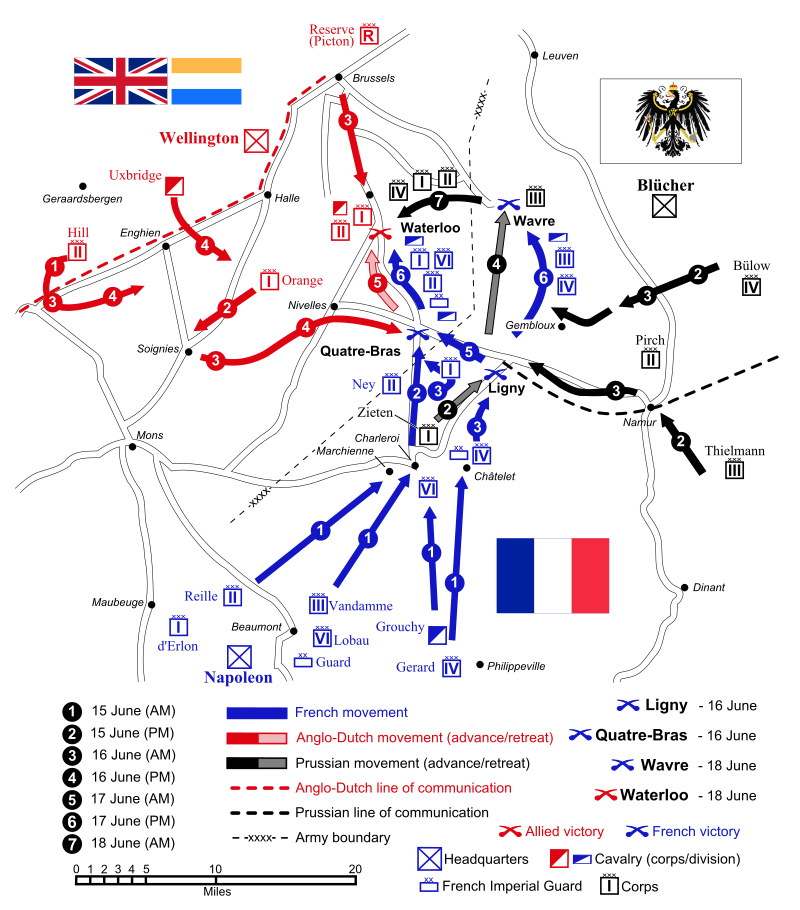
In Vienna, the allied nations that had exiled the French leader had been squabbling over how to run Europe, but news of Napoleon's return galvanized them into unity and action. Burying their differences, at least temporarily, they refused Napoleon's offer of peace and collectively swore to bring him down once again. This they could do because among them the four countries could field 500,000 men, but in March the troops were scattered across the Continent, and it would take time to gather them together. A separation of enemy forces had been Napoleon's favorite situation, for he was a master at gaining the central position and then dividing and conquering. He quickly moved to defeat the two closest armies, a Prussian army under Field Marshal Prince Gebhard von Blücher and an Anglo-Dutch army under Field Marshal Arthur Wellesley, the duke of Wellington. Napoleon believed that he could beat them separately. After having done so, he would be able to negotiate with Austria and Russia.
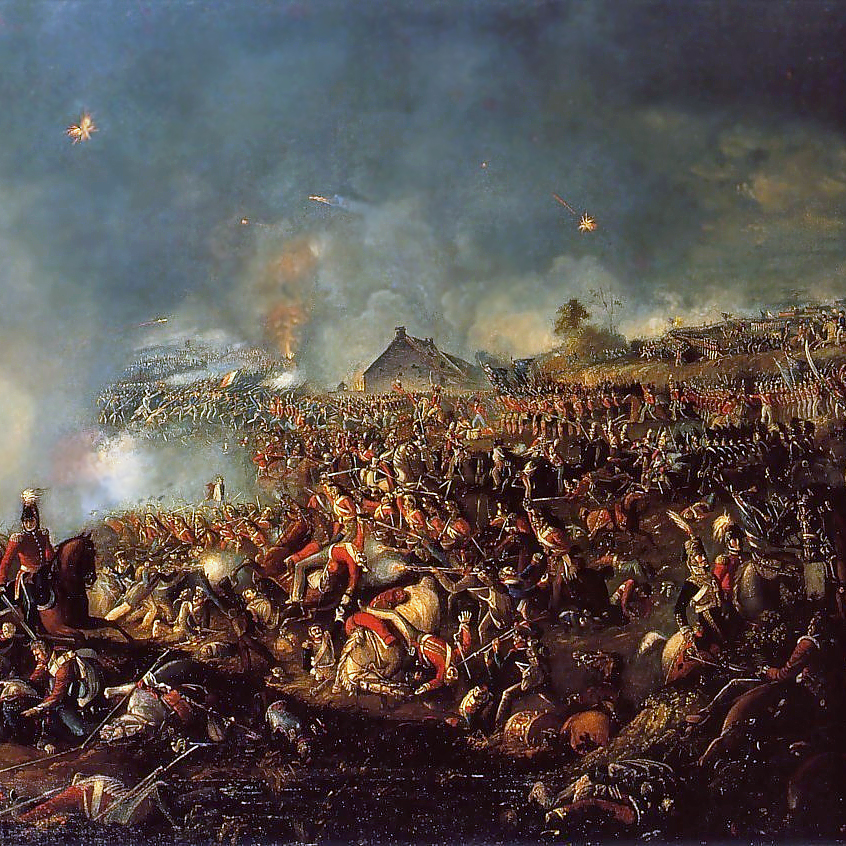
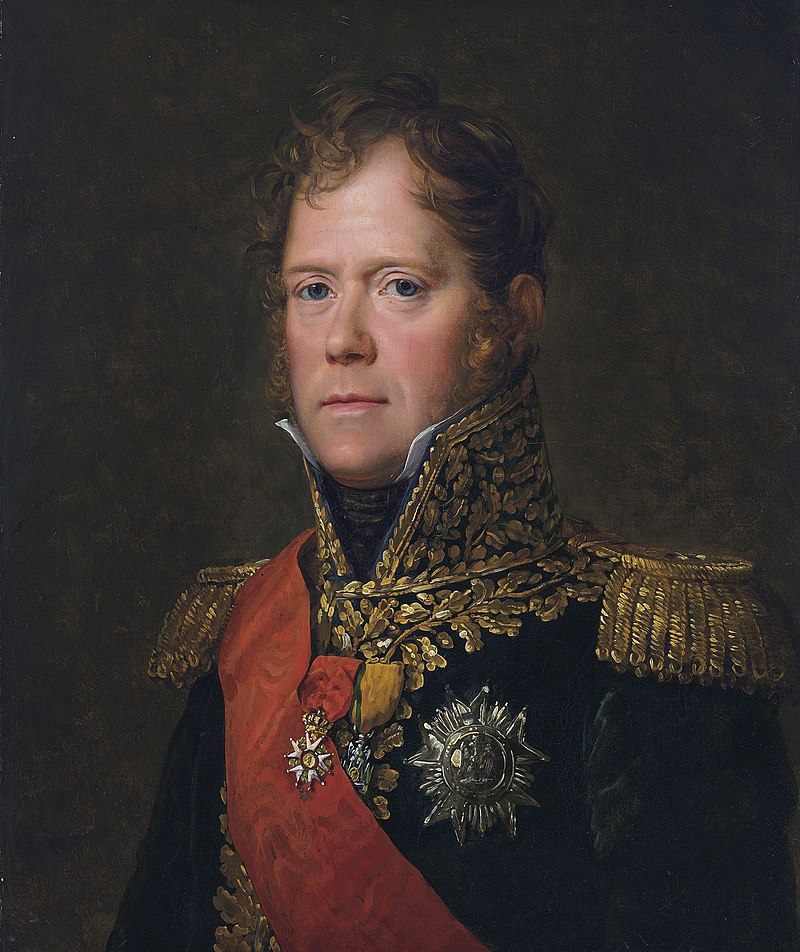
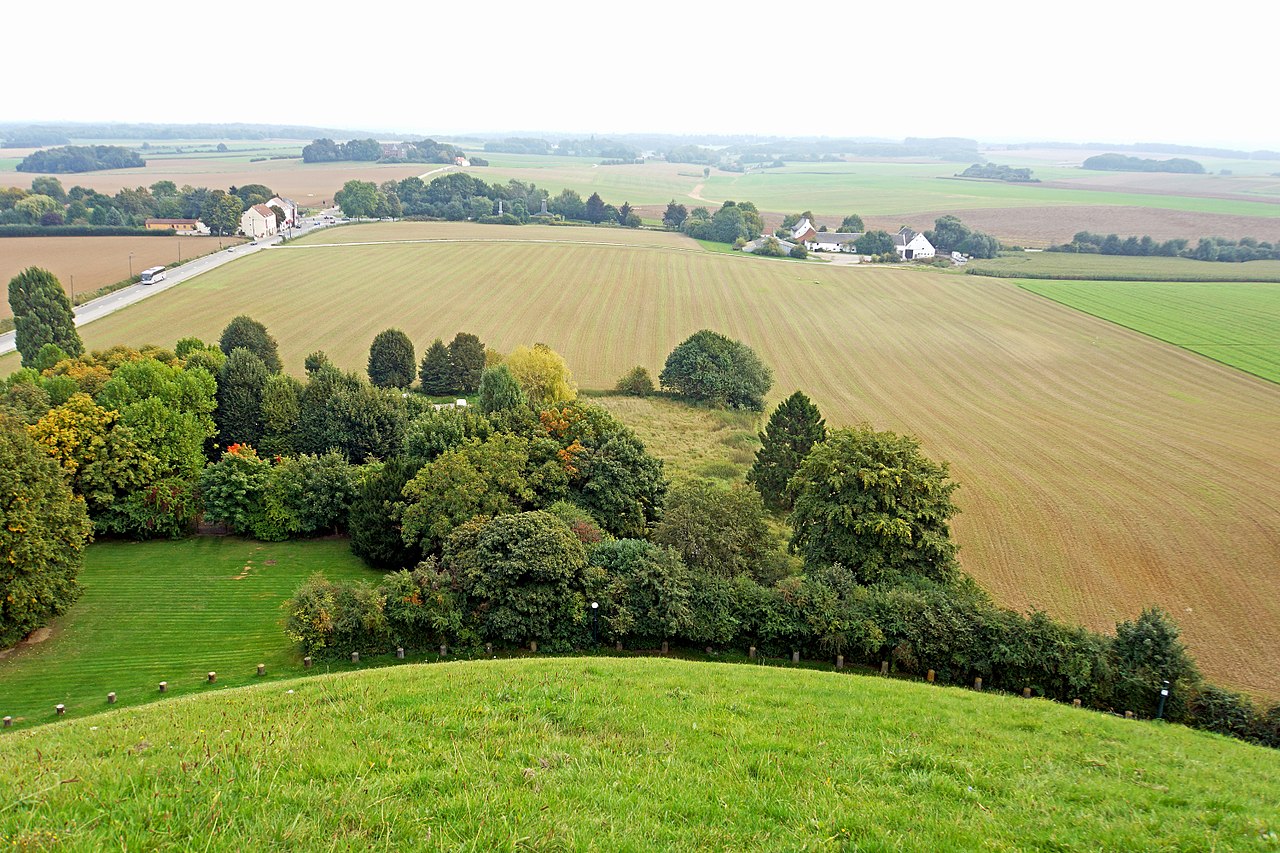
Both armies clashed in Waterloo. Napoleon and his army have decisively been defeated. It is still contorversial that what if the weather would be dry or Marshal Ney would capture the Quatre Bias as he could do and as Napoleon had ordered.
Though Napoleon tried to keep his throne, he could not succeed and he was placed aboard a British warship and taken to the tiny Atlantic island of St. Helena, roughly halfway between Africa and South America. From there he would be unable to sail back to France as he had done from Elba. The new French government, under the restored monarch Louis XVIII, signed the Treaty of Paris in November, by which France ceded more land and returned to the borders that France had originally held when the French Revolution began in 1789. The Quadruple Alliance, or Concert of Europe, made up of Britain, Austria, Russia, and Prussia, agreed that they would enforce the treaty. This made them, for all practical purposes, the police of Europe for the next half century.
All of the sovereign powers were absolutely afraid at the end of era of revolutions and Napoleonic wars. They made great efforts to maintain peace over Europe.In a four decades term there was not any battle in Europe till 1854 Crimea war. Even there was not any other battle where two major European states are belligrents, till 1914.