Streets have always played major role in politics. If they could not be controlled, they would change politics, governments even eras. Or in another words, if you control the streets, then you would control the country.
Ottomans accustomed to uprisings from janissaries, tribes, nationalists, feudal lords etc. However 10 May 1876 uprising was the first that Ottomans had never seen before. This time streets of Istanbul were full of students. They were chanting…
“It is not proper to religion and national pride that studying in school while future and law of state and country were outraged by enemies. Education and scientific study could be only under peace and tranquillity”
An uprising which started with just 250 students, would change first government than even the Sultan Abdulaziz.
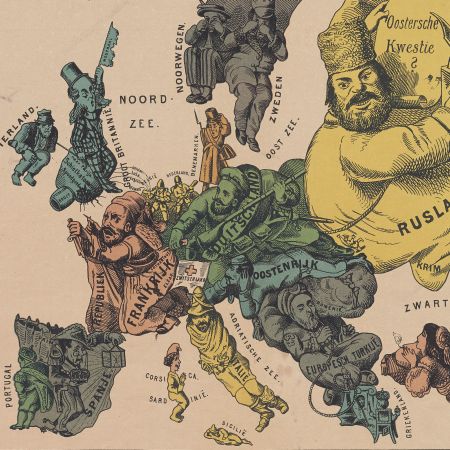
The second half of 19th century was a nightmare for Ottomans. In almost every decades they were losing lands or control over their territory. Reformation movements which were started by Selim the third and triumphed in II.Mahmud's era, were not enough. Middle age Type Empire was struggling against industrialized, capitalist and imperialist states.
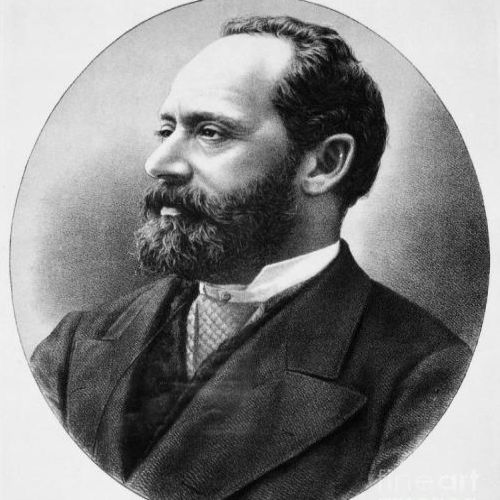
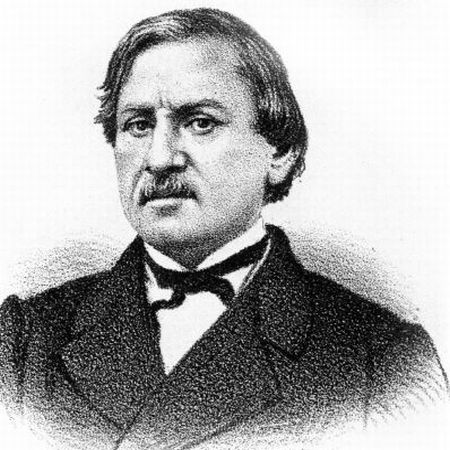
A group called Young Ottomans was a new reformation group. As predecessors, it had no roots in Ottoman society neither among Muslims nor minorities. All of their efforts should be done against society for society and they have no support. Their most known, famous character was Mithat Pasha, who served as grand vizier and governor in Tuna, Smyrna, Baghdad and Damascus. Their ideal was a strengthened centralized government and institutional management. Though Mithat Pasha had succeed during his duty in Tuna and Baghdad, he could not make it in Istanbul. His reforms need money saving which was not favourable for Sultan and many people from palace and Babıali (palace of grand vizier).
Especially while Mahmud Nedim Pasha was a grand vizier, almost all of reforms which was done by Mithat Pasha were abolished. Though it was proved that Mahmud Nedim Pasha had made some tricks on economical calculations and hide credit which was taken with high interest, he was appointed as a grand vizier for the second time.
Furthermore, he was working as hand of Russian ambassador General Ignatiev. Mahmud Nedim Pasha did not send any troops to Balkans to suppress Russian supported uprisings in Balkans even he punished governors who tried to fight with their only resources.
As a result, Ottomans were in trouble economically, militarily and institutional. Head of this trouble had been seen like Grand Vizier Mahmud Nedim Pasha and his government. Since, Sultan Abdulaziz knew it well he changed the government on the first day of uprising. However, people on the streets did not return to their schools and homes. They wanted Abdulaziz too. It was not denied that he had responsibility too since he had appointed this government twice.
In 30 May 1876 Sultan Abdulaziz was overthroned and replaced by the Fifth Murat who was not voluntarily succeed and sit on the throne only for 3 months. II. Abdulhamit would be the next sultan and he would accept the first constitution in 23 December 1876 due to the pressure from Young Ottomans.
From the first day of uprising (10 th May) to the announcement of the first constitution (23 December,) in only 7 months, Young Ottomans (Mithat Pasha, Huseyin Avni Pasha, Namık Kemal, Ziya Pasha, Ali Suavi) changed two sultans and announced the first constitution in Ottoman Empire.
However, in II Abdulhamit era all of their efforts for constitutional and institutional reforms oppressed by Abdulhamid. Even more Mithat Pasha and few the other leading figures were arrested and charged with the murder of Sultan Abdulaziz, who committed suicide by cutting his wrists. Before their judgement they were murdered by assassins sent by Abdulhamit in Taif dungeon (1883)