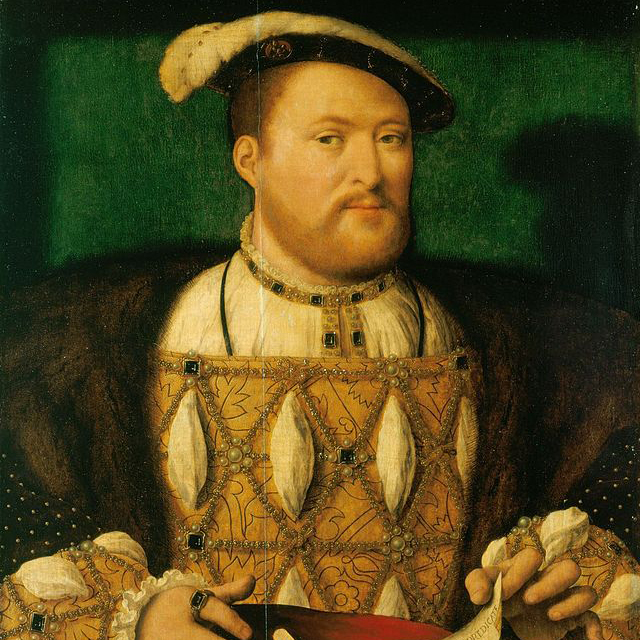
When Queen Elizabeth I, illegimate daughter of VIII. Henry, came to the throne of England in 1558, she ruled a disjointed and rather weak nation, having many discontented factions within and few friends without. One of those friends, however, was the most powerful nation in the world at the time: Spain, ruled by Philip II. Philip had lately been tied to the English throne through his marriage to Elizabeth's predecessor, Mary. When she died, Philip proposed marriage to her surviving sister to maintain his influence in a country with a number of Protestants (which he hated) and a burgeoning naval strength (which he coveted). Elizabeth turned down his proposal (as usual), but at first the two kept friendly relations, Philip even offering to aid in recovering Calais, England's last possession on the Continent. It was not long before the two countries became bitter enemies.
Spain was the most powerful and wealthiest nation and it was seen as suicide to attack Spain in open combat. However, Elizabeth used privateers as raiders, they were fast, unorganized and unofficial. Francis Drake, Martin Frobisher, and John Hawkins were most famous ones and they were successful in raiding Spanish ports which were in Caribbean, South America, slave trade ships, treasure ships. Elizabeth was using this captured money to support Protestant uprisings in Europe, while that Money was sent to oppesed forces of Protestants by Philip.
Elizabeth was hesitating to attack Spain but on the other hand Philip was too. England was naturally well protected island and it was hard to invade it, his best option to use backdoor of England, Scortland.
Both Spain and England had allies, while Spain's most useful ally was Queen Mary of Scotland who was catholic furthermore she had a right on England throne as a cousine of Elizabeth. England's most useful and powerful ally was Protestant Dutchs, they had had been in war with Spain since 1566 under the commend of legandary William Orange.
In the latter 1570s, Francis Drake circumnavigated the globe, shooting up Spanish colonies and capturing Spanish shipping along the way. As he was doing so, Philip laid claim to the throne of Portugal, which only increased his immense wealth by adding Portugal's eastern empire. Elizabeth granted asylum to Don Antonio, Philip's rival to Portugal, and allowed him to grant letters of marque to English captains, with which they could harass Spanish shipping under his authority. Elizabeth entered into negotiations with Catherine de Medici of France, but the French attempt to challenge Philip's navy off the island of Terceira in 1582 ended in disaster for the French and renewed confidence in the power of Spain's fleet. (This reconfirmed the confidence that the Spanish had carried since their success in the victory over the Turks at Lepanto in 1571.) Owing to England's support of France in this failed endeavor, Philip's advisors again urged an assault on England, but again he hesitated. He changed his mind after two events. In 1584, England and Spain again severed relations in the wake of another assassination attempt against Elizabeth. She also ordered a stepped-up campaign against Spanish shipping and Caribbean holdings, to which Drake and Frobisher gladly obliged. The following year, she ordered 5,000 soldiers under the earl of Leicester to shore up the Dutch military in the wake of the death of their leader, William of Orange. These two direct military actions, on top of the years of intrigue and religious challenge, had to be answered. Then Elizabeth ordered the execution of her Catholic rival, Mary, in February 1587.
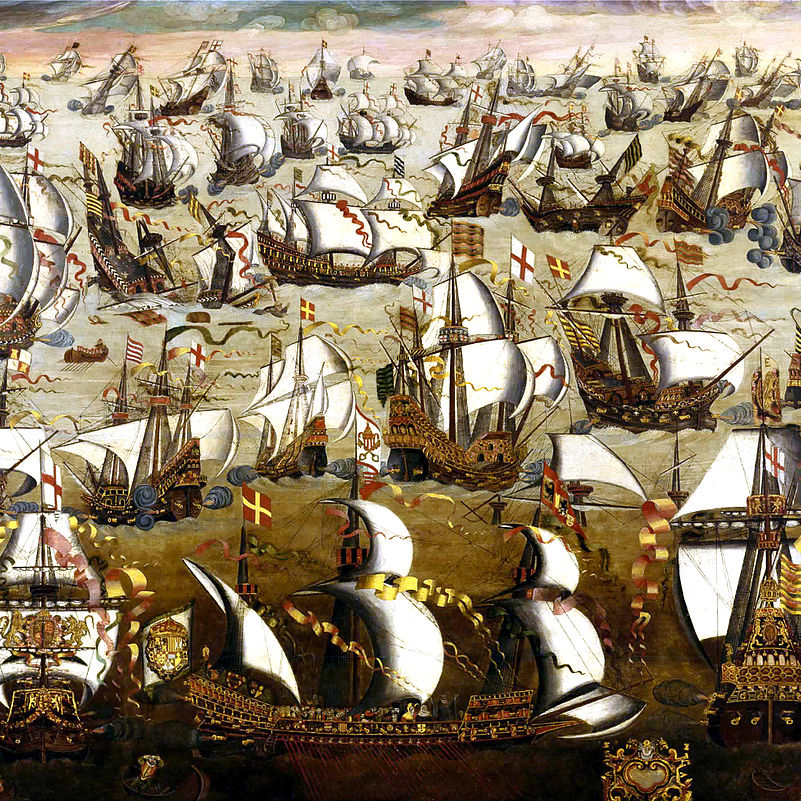
In a matter of weeks, Philip ordered the Spanish Armada to be assembled.
Philip assembled a navy with 130 ships and supporting forces from duke of Parma who was in war against protestant movement in Dutch. It was seen like it is impossible to stop this navy while on the other side Elizabeth had only few warship and a lot of shipping boats. Two navy encountered in the moonlight of 20-21 July. Wind was in favor of English Navy but unexpected advantage of English navy was their nimble ships with light cannons. Up to this date, big cannons and big boarding ships had been seen as unbeatable in navy battles but English nimble ships were uncatchable, they hit then run again and again, Armada's big cannons wer useless at close combat and they could not catch English ships for to board. The key loss of the day for the Spanish was the San Salvador, which carried the fleet's paymaster and his gold.
Armada decided to sail to East, they were looking oppurtinity to tidy fleet up and meet with Parma. Their first option is Isle of Wight however English catched them up and Armada sailed to Calais. While Armada was sailing to East, English navy was losing their advantage their undiciplined navy began to disperse especially may be the most experienced Drake's ship was lost in the darkness while pursuiting a Spanish ship.
First Armada reached Calais at 27th July and English held a council of war on Sunday, 28 July, aboard his flagship, the Ark Royal. Rather than await small fishing boats, which had been requested to serve as fire ships, the commanders decided to unload eight of their own ships and let the prevailing wind blow them into the Spanish fleet at anchor. Although the Spanish were aware of the possibility of such a move, and had put out picket ships to stop it, the English were able to set the boats alight in the early morning hours of 29 July. Hurrying to cut their anchor cables and avoid the flames, the Spanish fleet began to fall into confusion. Although no ships were directly harmed by the fire ships, collisions occurred and the Armada, at first light, was spread out along the coast in no discernible formation.
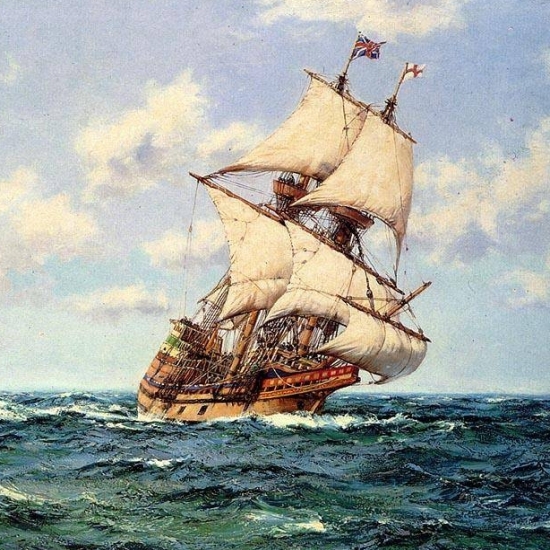
As a result Armada which were seen as unbeatable, was devestated. It was not such an easy and simple result, it was the Messenger of new power, England and Northern Europe. Spain's expanding in America stopped, without a navy they could not support expanding and they changed their position from aggresive to passive while England and Holland began to explore America especially Northern America. Not too much, just after 32 years a group of English puritans (pilgrims) would escaped to the America/ Boston / Massachussets for new hopes and in search of new home with a ship (May Flower) and they would been ancestors of modern America.
Pirates some of them were under the protection on England throne while the others with English flags had kept going their raids they had started colonization. But the most significant result was the foundation of East India Company which was based upon informations kept by Drake during his one of successful Spanish port raids.(San Felipe)
Pirates changed into merchants and they also played an important role in English Revolution 40 years later.