At most we evaluate a painting by comparing it with real world. At last the painting is the image of the real world on a canvas. So how the image is similar to real world it would be such a true painting, especially for realistic art. However, as it was proved in neuroscience, we compare the image that we see on a canvas with just only another image in our brains. Unfortunately, the real world that we define is mostly just an illusion and our prejudices. As you can imagine, these prejudices are so powerful that can easily cover the details in real world and it is not easy to uncover them.
As E.H.Gombrich mentions in his masterpiece The Story of Art, usually artists who mostly get rid of these prejudices, produce the most interesting arts. They let us to see the real world which is covered by our prejudices and let us to look to the world from another window. Every touch is a hard choice for these artists, cause it should be like real and it is not easy to catch real. On the other hand if you evaluate these arts by common prejudices than they would be seem wrong and worthless. Caravaggio's famous Matta painting can be very good example for this.
"Caravaggio, byname of Michelangelo Merisi, (born September 29, 1571, Milan or Caravaggio —died July 18/19, 1610, Porto Ercole, Tuscany), leading Italian painter of the late 16th and early 17th centuries who became famous for the intense and unsettling realism of his large-scale religious works. (Brittanica)"
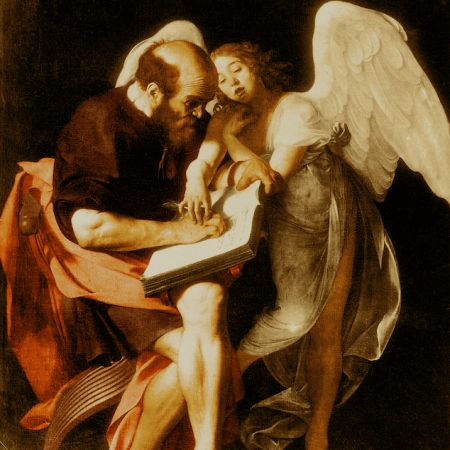
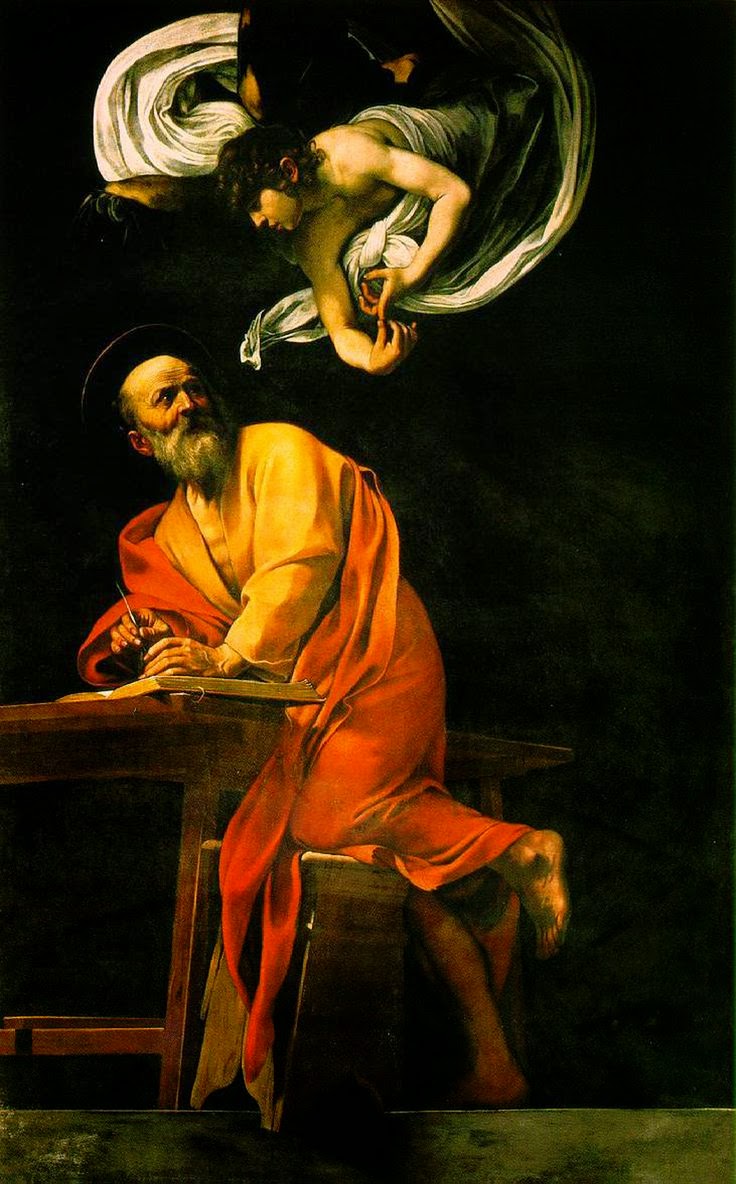
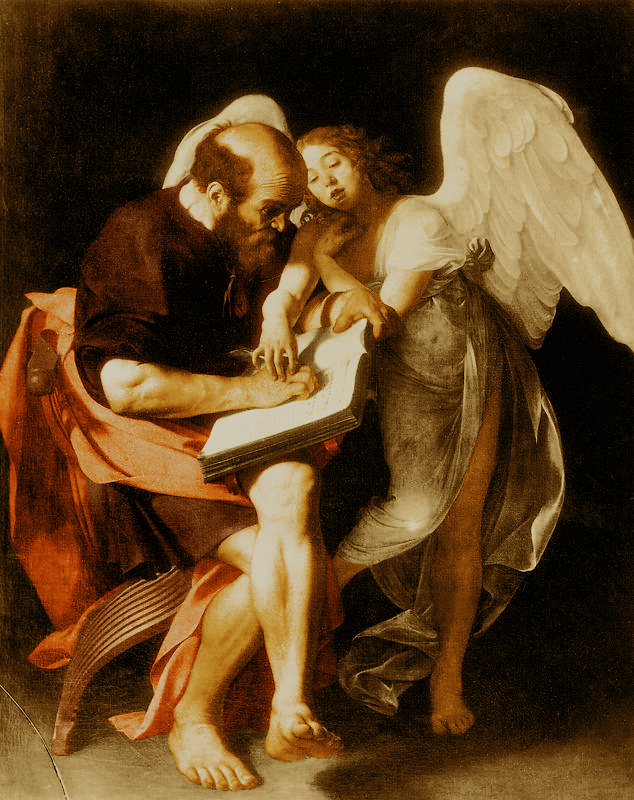
Roman church ordered a painting which would show Saint Matthew as he was writing the revelations, also there should be angels as a sign of revelations are the words of God. Caravaggio as a realist painter tried to picture Saint Matthew. Caravaggio thought Saint Matthew was an elder, poor and common folk and he was unprepared to this writing duty. Caravaggios's realism and senses revealed an image of Saint Matta as an old and bold man with dirty and bare feet who is struggling in writing. However Caravaggio's realism was not real for people who has strong beliefs and prejudices. First of all, Saints could not be dirty and writing should not be hard for Saints.
As a result, Roman church rejected the painting and wanted Caravaggio to paint new one which would be true for people, not for Caravaggio. So, Caravaggio painted new Saint Matta which is in accordance with traditional prejudices.
Note: This Milestone is taken from E.H. Gombrich's masterpiece The Story of Art book.
Note 2: The first painting of Caravaggio was destroyed by fire at the end of World War II while stored in an anti-aircraft bunker in Berlin