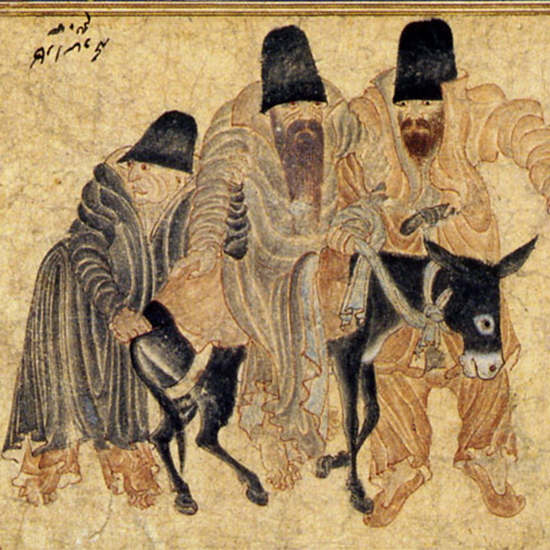
Anatolia had been under the influence of many dervish groups and Sufism since 10th century. Kalenderism, Haydarism, Rum Abdals, Vefaism, Yesevism etc. While Sunni Islam enjoyed sovereign in cities, dervishes and many ascetics (zühd) had an influence especially on nomads. On the other hand these Turk nomads, most of them had come from Asia, had their heterodox Islam beliefs and practices which shamanism, cult of evliya (saint), cult of mountain, cult of stone, cult of great tree, melamitism even Buddhism had influenced. These different, complex and even opposite beliefs had been forged during centuries and Islam that we could call Anatolian Islam, have been shaped and most known, influential examples Bektashism and Alevism etc. borned.
One of the most decisive, may be the first, political milestones was the Revolt of Babais. This revolt led the birth of Babai sect which would turn into Bektashism in near future and led the birth of three folk heros, Baba İlyas, Baba İshak and Hacı Bektasi Veli.
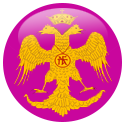
Two headed Anatolian Eagle, Sultanate of Rum, was the sovereign on Anatolia. Although the dynasty was Turk, it was easy to follow Persian influence on sultanate. Dynasty favored the Persian language and architecture more. It was not the main cause of the revolt but we can count as minor that Turkic nomads both were seen as second class, barbaric, irreligious and dirty. Furthermore the number of nomad families had increased because of the Mongol threat on Asia. This rise in population triggered the main cause of the revolt.
The economic system of Anatolia was Ikta system which is different from feudalism. While feudal has a land and property in feudalism, nobody could have land in ikta system. State offers the land to one family in return of military service. The family have to be loyal to state and have to attend war when called. In return, family has a right to collect taxes from all citizens who live in that land. People who lived in cities accustomed to give tax in return of their safety, protection etc., but nomads did not. They had been responsible from their own safety and nutrition through ages. They were really big problem for cities. They travelled whenever they want, passed through whenever they want, it was not important for them whether is there a farmland or not. They did not want to pay any taxes, in the end it was free to travel on earth for them. So the tension between nomads and state and also cities was raising.
Aleddin Keykubad who was the sultan of Seljuqs, settled Harezms who escaped from Mongols in Anatolia however they were threaten by the son of Keykubad, II. Giyaseddin Keyhusrev. Keyhusrev had enjoyable character and he left the administration of state his vizier Sadeddin Kopek. Kopek marched on Harzems because of the reasons we mentioned and killed their leader. This led an unrest on nomads and by this time a man from north of Anatolia was found as a leader of anti-Seljuq propaganda.
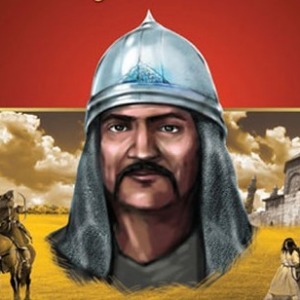
Baba Ilyas was a Harezm Turk and sufi who lived in Amasya in that time. He used to practice some magics like shamans and also influenced by Ismaili shiism. Although his grandson Elvan Celebi refused the argue, many the other chronics argue that he had also prophecy at least veli claim.
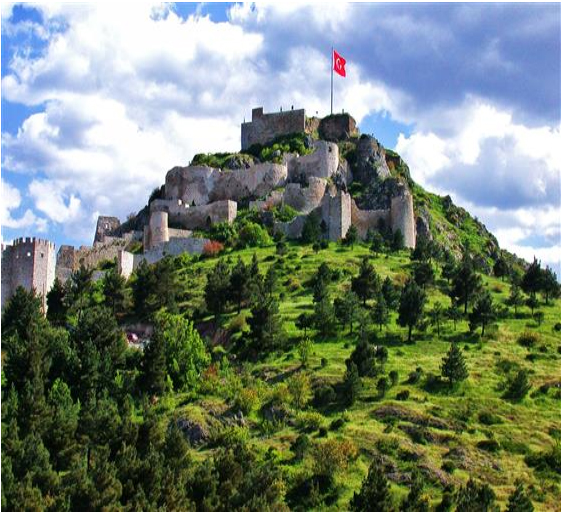
Seljuqs marched Baba Ilyas and he refuge in castle. This withdraw rised some suspicions for his followers. They asked why his Allah did not protect them. And Baba Ilyas answered "I will talk with Allah tomorrow, ask why he led all these happen." As we see, Baba Ilyas saw himself as authoritarian and divine as could questioning Allah.
It is not known that when and where they met but Baba Ishak was his follower who lived in Samsat, Adıyaman. During the siege, Baba Ishak and his followers rebelled.
Seljuqs captured Baba Ilyas and executed him, although many followers believed he rise to heaven with his white horse before his body is executed. However killing the leader was not enough for Seljuqs, Baba Ishak was getting powerful day by day. Many dervishes with their followers, (Kalenderi, Haydari, Vefai), some Christians had joined to army of Baba Ishak. Armies of Seljuqs defeated one by one. Chronics said it was an army that women, children and men fight with sticks and stones. On the other hand its sufi dimension had been creating a legend which influenced both the other people and Seljuqs army. In the end this army was protecting by Baba Ilyas and many dervishes and it was unbeatable. Even Franks in Seljuq army was afraid too. According to a chronicle which was written by a Frank during revolt, Frank soldiers' knees were shaking and they were all praying before march.
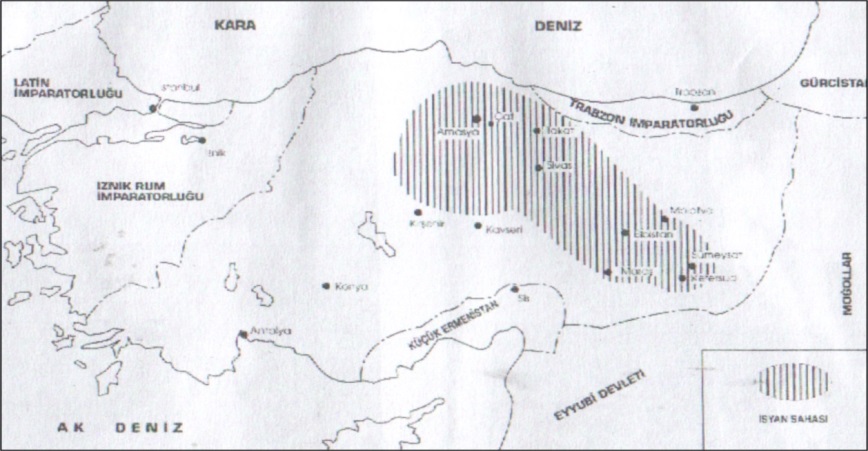
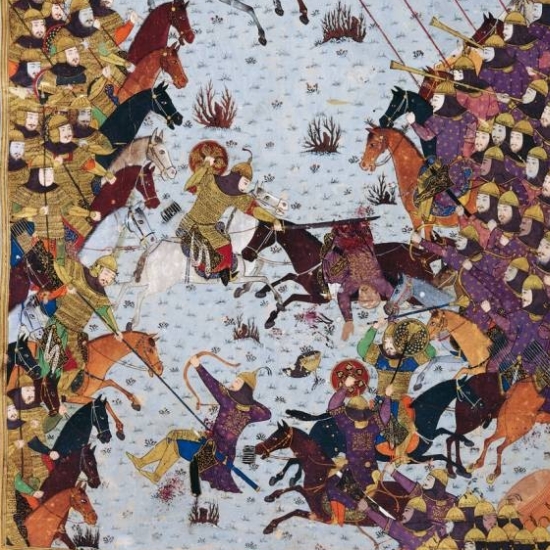
Babai army's target was the capital of Seljuqs. The last battle was on Malya plain which lays on the northeast of Kırşehir. Babais were superior than Seljuqs as morale, however Seljuqs had one of the most powerful weapon of time, 4000 armored Franks. Children, women and men with sticks and stones marched however 4000 Franks with armors stand still. It was like throwing stone to a tank. At the end of the day army of Baba Ishak defeated. Followers who could escape, spread the tales of upraising among the other nomads of Anatolia. This upraising left devastated memory on Anatolian nomads which would be supported and deepen by Yavuz while fighting against Safavids. In near future another mystic folk hero Haci Bektasi Veli entered the scene. Many tales and teachings which have grounds on Babai Revolt, attributed to Hacı Bektasi Veli, although he never joined the uprising. Ottomans accepted Bektashism and supported, even it became the sect of Janisarries. However, Alevisim which is similar to Bektashism remain as the sect of nomads and had always tension with state.
By the way Baba Ishak and Ilyas still count as Hızır for many Turks.